Search every volume:
Volumes
-
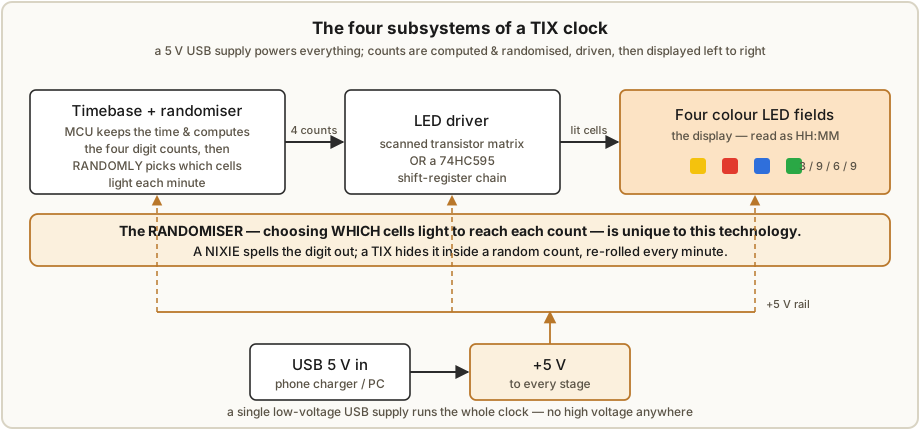 Vol 1 Overview & Decision Tree What a TIX clock is, how you read it, and which build path fits your bench
 -
 Vol 2 Reading a TIX Clock — the Encoding Count, don't locate: the four colour fields, why they are sized 3/9/6/9, and how a digit becomes a count of lit cells
 -
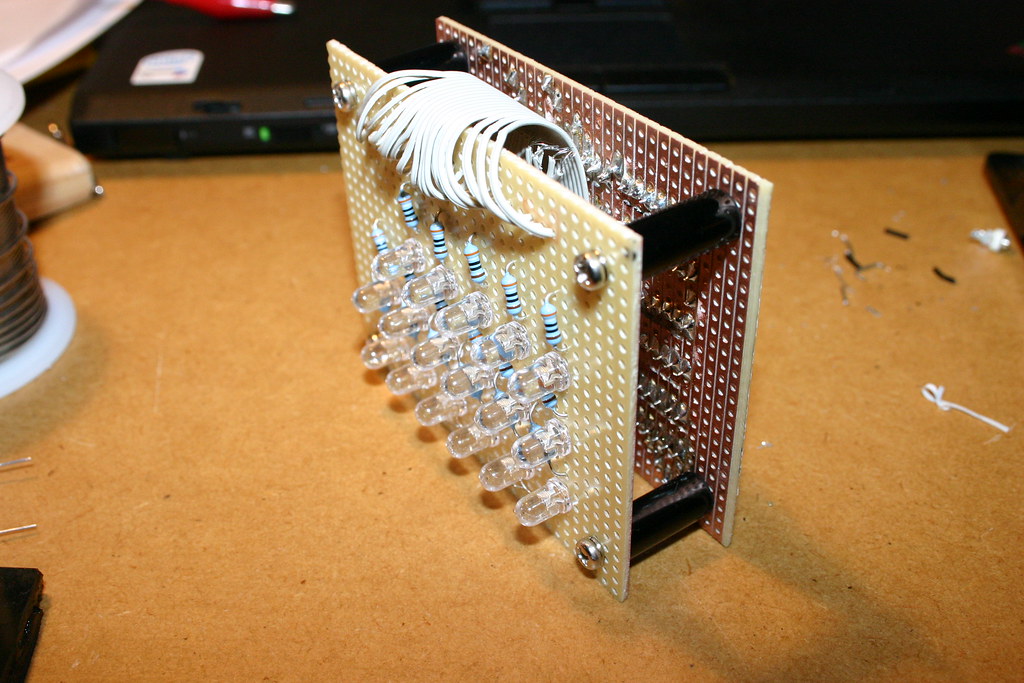 Vol 3 The LED Display The light-emitting layer: 5 mm LEDs, the 3/9/6/9 colour fields, and why round LEDs read as squares
 -
 Vol 4 Driving the LEDs Why 27 LEDs need a matrix, the multiplexing math, and the two ways this hub scans it — discrete transistors versus shift registers
 -
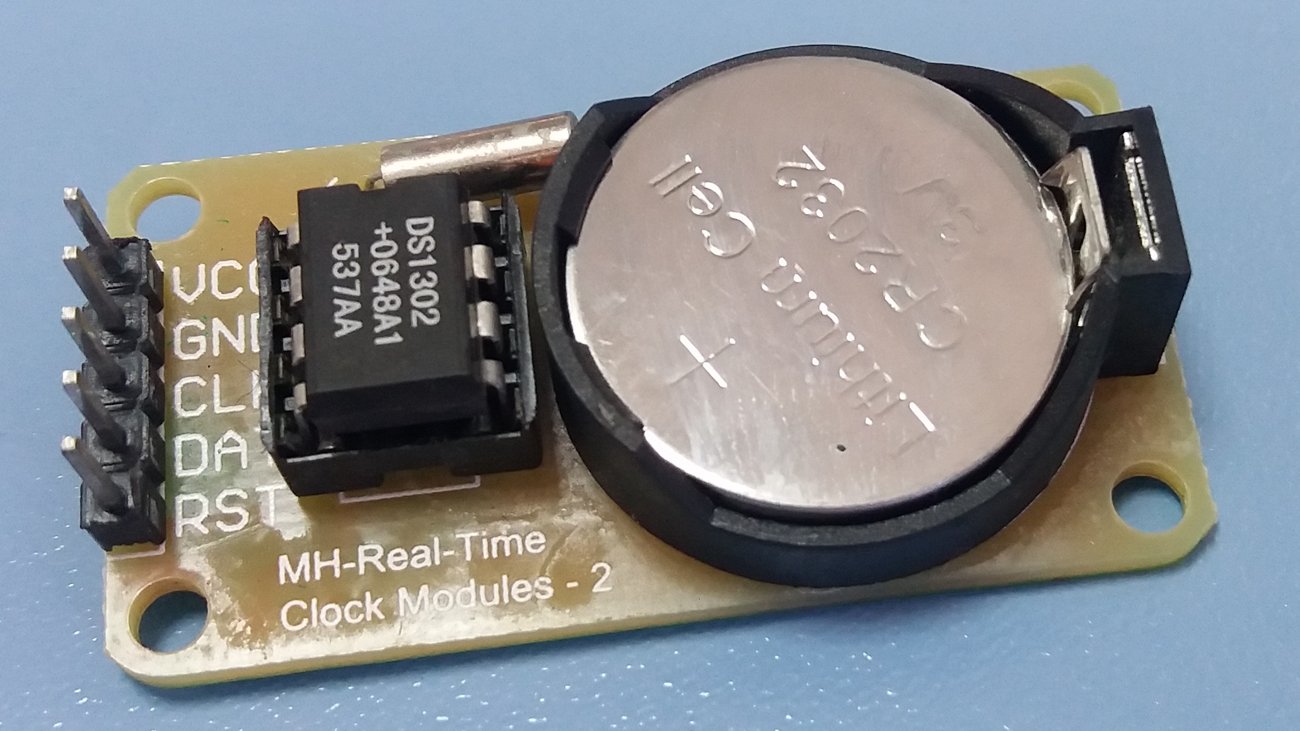 Vol 5 Timebase, Randomisation & Firmware How a TIX clock keeps the time, re-rolls the lit cells every minute, and what the two collected builds run on the metal
 -
 Vol 6 Build It Yourself A bench walkthrough of both collected TIX builds — pick one, solder it, see first light
 -
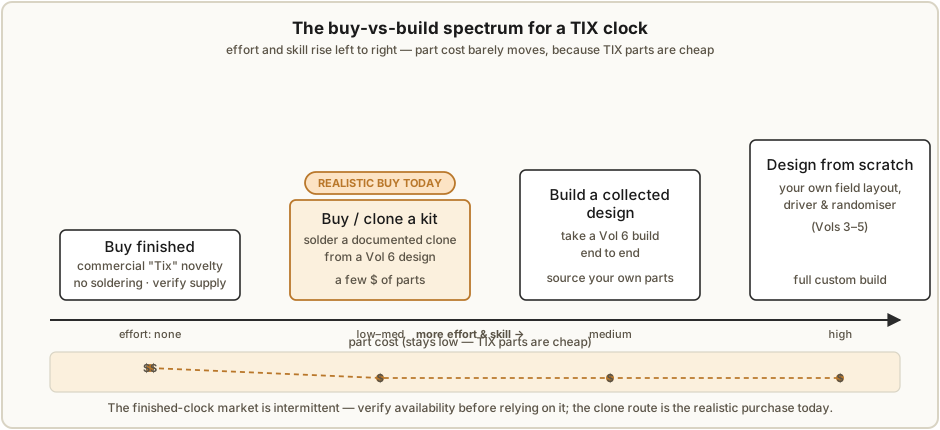 Vol 7 Buy a Kit or Finished Clock The buy spectrum — finished novelty, documented clone, or your own design — and how to choose honestly
 -
 Vol 8 Enclosure, Diffusion & Finishing The diffuser sandwich, the square-cell grid, the window, and the case — the volume that makes or breaks the look
 -
 Vol 9 The Collected Projects The same clock built two ways — gweeds' discrete-AVR-in-wood DIY TiX and ujjaldey's shift-register-Arduino-in-plastic uTixClock, decision by decision
 -
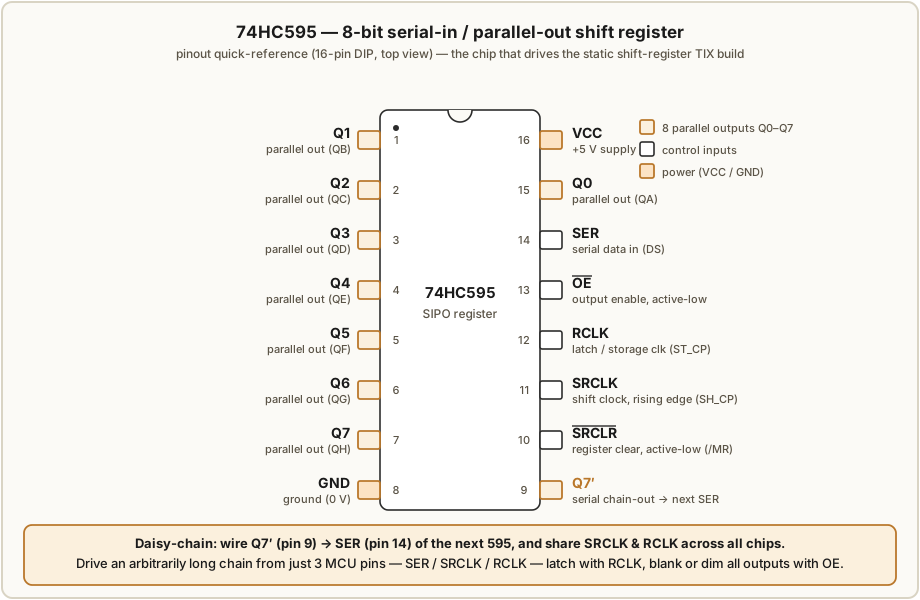 Vol 10 Cheatsheet & Glossary A laminate-ready synthesis of the series — the reading rule, the field sizes, the randomiser, the driver pinouts, the BOMs, first-light triage, and an A–Z of terms